FCC bans spoofed text messages and international robocalls
Get link
Facebook
X
Pinterest
Email
Other Apps
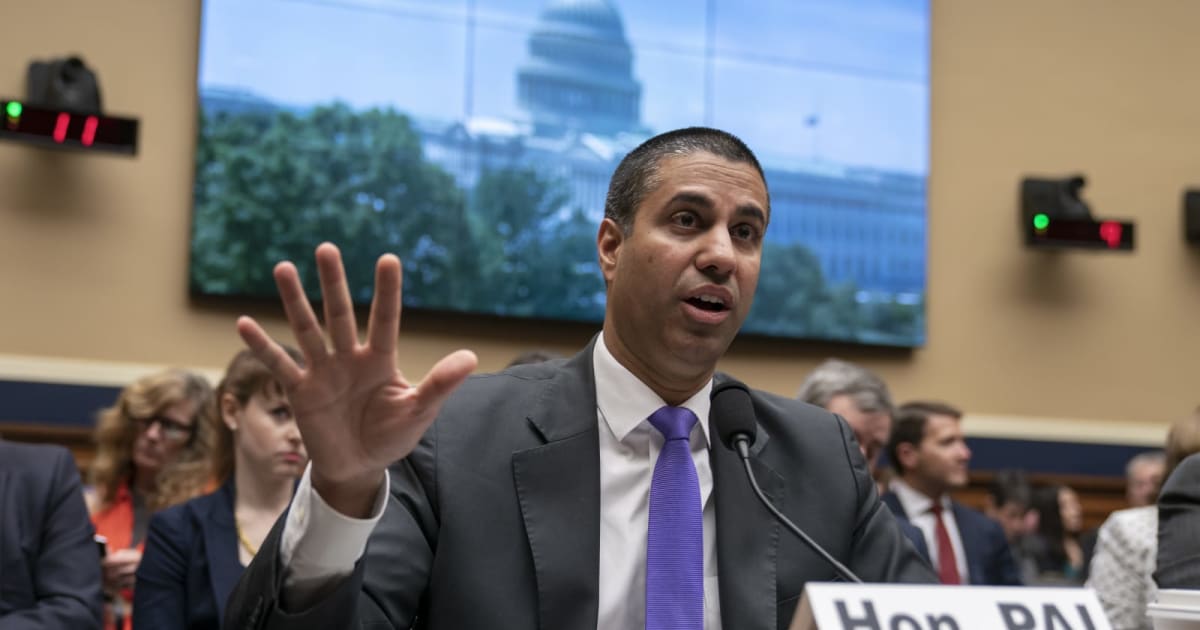
As you may remember, Chairman Ajit Pai proposed the changes earlier this month. In a video announcing their approval, Pai said the FCC has received tens of thousands of complaints about spoofing in just the first six months of this year.
The FCC isn't fighting this fight alone, though. Last week, the House passed a bipartisan bill that requires carriers to authenticate every call and to offer opt-out blocking for free. The Federal Trade Commission has stepped up its enforcement, bringing lawsuits against organizations responsible for more than a billion robocalls. The new FCC rules won't stop spoofed texts and international robocalls altogether, but it could help abate them.
The approach is free of charge, although it does cave some caveats beyond the initially limited device support. The implementation is still young, and many calls that haven't been labeled may still be authentic. You'll see that label more often as more carriers implement the underlying technology (SHAKEN/STIR). This doesn't guaranteed that someone calling from a real number is above-board, either. It could still be a robocaller, a scammer or a telemarketer. This is a start, though, and AT&T is promising more phone support in 2020. Ultimately, this is more about discouraging call spam than anything. If all goes well, it could force robocallers to either use authentic numbers (and increase the chances of being blocked) or lose the interest of increasingly wary targets. Read More
Some companies have responded. Truecaller told TechCrunch that it fixed data transmissions through an app update, while the TrapCall team changed its privacy policy after Hastings got in touch with Apple. Hiya said it didn't transmit personal info, but was "strengthening our privacy even further" by ensuring that it didn't send device data without your permission. The data collection is frequently meant to monetize info, and that was (or for some, still is) part of the problem -- the companies were profiting from privacy violations at the same time as they were protecting against intrusions into your life. Hastings also chastised Apple, accusing it of failing to review privacy policies and catch misuses like those from Hiya and Truecaller. This doesn't mean that you should necessarily avoid robocall blockers (US carriers will increasingly do it themselves), but it could be important to review the policy before you trust the app with your call screening. Rea...
There are also self-review measures. Both the FCC and the Justice Department have to create a working group that will study enforcement of certain robocall bans, and report to Congress. Likewise, the FCC will have to examine its policies on number resources to see if it can reduce access to spammers. This isn't likely to completely stop the deluge of robocalls. Perpetrators that are willing to use real numbers (including hijacked ones) or find clever software tricks might still get through, and some may be willing to take risks knowing that the payoff from successful scams could be high. And remember, this only applies to illegal calls. "Rachel from cardholder services" might not bug you, but your cable provider will with your permission. This is more about creating a barrier that could deter 'casual' spam calls. Read More


Comments
Post a Comment